
In UAE hospitality, first impressions are everything. Whether it’s a five-star hotel lobby in Downtown Dubai or a high-end restaurant on Saadiyat Island, the surfaces speak volumes about the brand. However, for architects and developers, the challenge isn’t in finding a material that looks stunning on opening day; it’s finding one that still looks pristine three years later after thousands of guest interactions.
When we talk about high-traffic environments, the choice of material is more than an aesthetic decision; it is a financial one. This is where the solid surface becomes a strategic asset rather than just a design element.
The Hospitality Challenge: Why Traditional Materials Falter
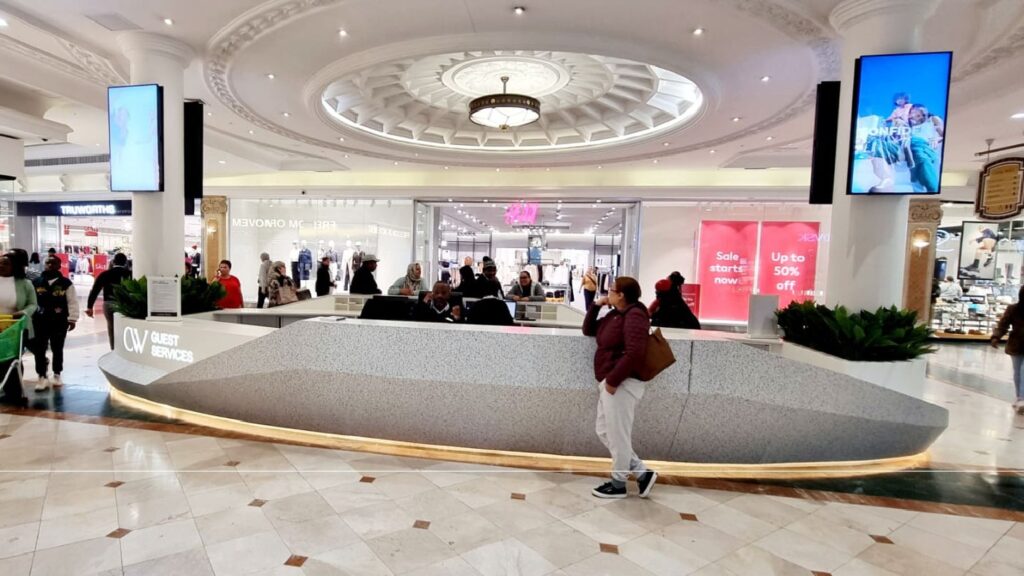
In the UAE, hospitality surfaces face a unique stress test. High humidity, constant air conditioning, and the sheer volume of international foot traffic mean that traditional materials like natural stone or laminate often fall short.
Natural stone, while beautiful, is porous. In a busy hotel bar or buffet area, it is prone to staining from acidic liquids or oils. Once a granite or marble surface is chipped or stained deep within the grain, the repair process is intrusive and expensive. Laminates, on the other hand, often suffer from delamination at the edges due to moisture ingress, a common sight in high-use surface countertops.
In contrast, a solid surface is a non-porous, homogeneous material. Whether you are installing solid surface countertops in a guest suite or a massive buffet station, the material is consistent throughout its entire thickness. This brings us to the most significant factor in calculating ROI: Repairability.
Calculating the ROI: Beyond the Initial Invoice
When procurement managers look at the cost of solid surface tops, they must look beyond the initial capital expenditure. The true return on investment is found in the operating expenses.
- Seamless Integration and Hygiene: In hospitality, hygiene is non-negotiable. Solid surface materials allow for inconspicuous seams. This means large-scale solid countertops can be joined without visible gaps where bacteria or dirt can accumulate. In the post-pandemic era, the ease of cleaning a non-porous surface reduces the man-hours required for maintenance and the cost of specialised cleaning chemicals.
- Renewability is Key: This is the secret sauce of the ROI. Unlike stone or wood, a solid surface doesn’t need to be replaced if it’s scratched or scorched by a guest. A certified fabricator can sand and buff the surface back to its original matte or gloss finish in situ, without removing the installation. This eliminates the need for costly replacements and prevents downtime, the most expensive word in the hotel industry.
- Thermoforming for Bespoke Branding: The ability to heat and shape the material enables architects to create organic, curved designs that are impossible with traditional slabs. This versatility creates unique branding opportunities, ensuring the property stands out in competitive markets like Dubai or Abu Dhabi.
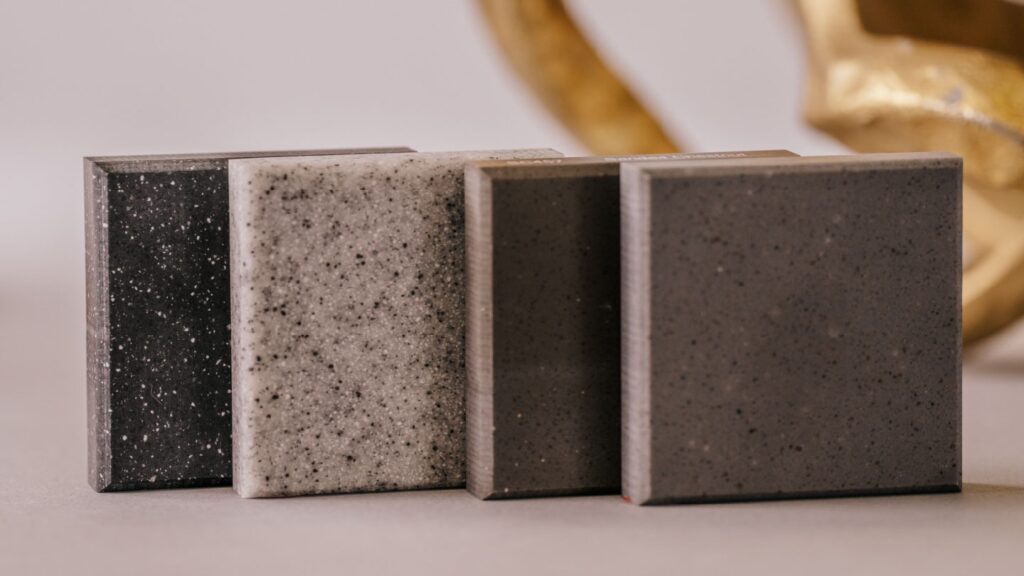
The Technical Edge: Staron vs. The Rest
At Salvocorp, we specialise in premium finishes like Staron Solid Surfacing. These surface solid solutions are engineered to withstand the rigours of the UAE market. When comparing a Staron solid surface to generic acrylics, the difference lies in the resin quality. High-quality resins ensure the material doesn’t yellow under UV exposure, a critical factor for installations near large floor-to-ceiling windows common in UAE architecture.
Furthermore, the impact resistance of these solid surface tops ensures they can handle the heavy luggage in a lobby or the rapid movement of heavy cookware in a commercial kitchen without cracking.
View the Staron Brochure here.
Sustainability in the UAE Vision
As the UAE pushes toward more sustainable construction goals, the longevity of materials becomes a pillar of green building. Choosing a material that lasts 15 to 20 years and is fully renewable is far more sustainable than choosing a cheaper alternative that ends up in a landfill after five years. By specifying a solid surface, you are aligning your project with the regional shift toward durable, responsible luxury.
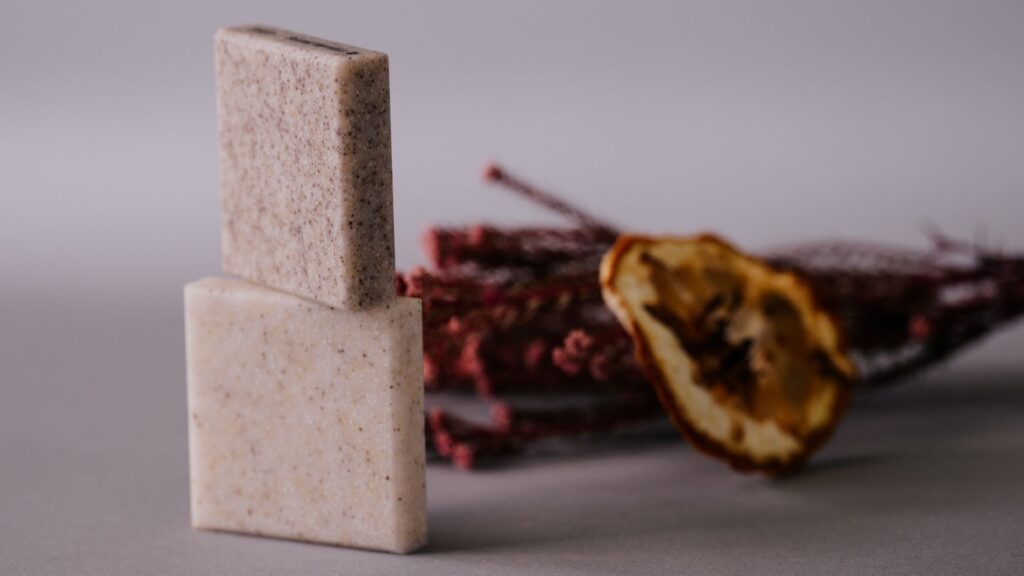
The Verdict
While the initial cost of solid surface countertops might be higher than some budget alternatives, the long-term financial benefits are undeniable. Between the reduced maintenance costs, the lack of replacement needs, and the superior hygienic properties, the ROI of a solid surface is realised within the first few years of operation.
In the high-stakes world of UAE hospitality, your surfaces should be an investment that works for you, not a recurring expense that haunts your maintenance budget.
Ready to elevate your next project with industry-leading durability?
View Our Staron Solid Surface Specifications or contact our technical team today to discuss your project requirements.